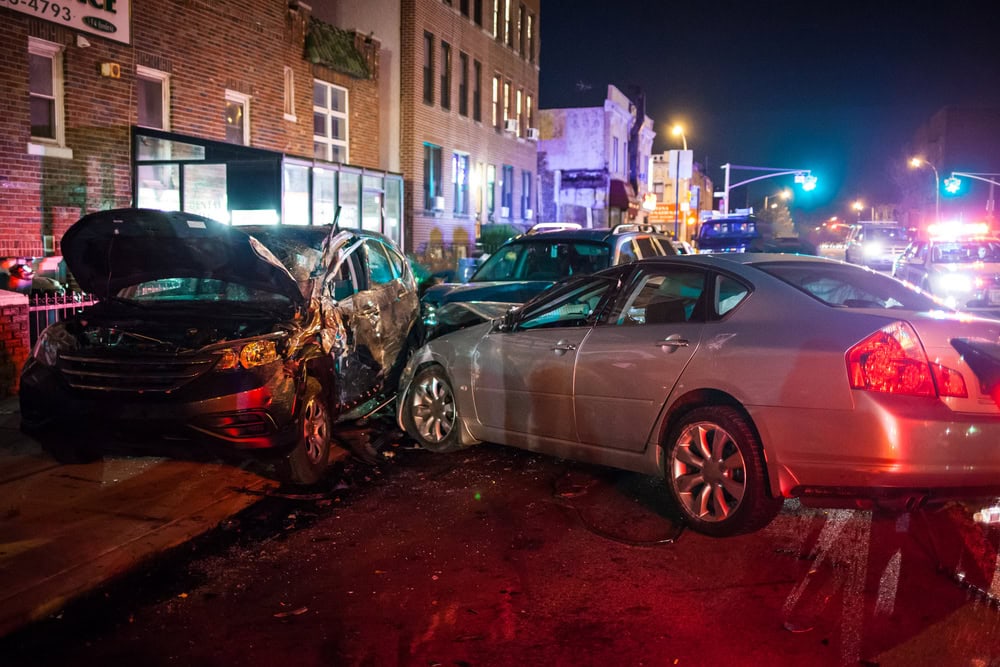
Car accidents in Texas leave victims with everything from minor whiplash to life-changing brain and spinal cord injuries. The type of injury you suffer often depends on how the crash happened — a high-speed freeway collision causes different damage than a distracted-driver rear-end at a stoplight. At Moudgil Injury Law, we investigate the cause of your crash and document the full extent of your injuries so you can pursue the compensation you deserve.
Houston Car Accident Injury Types
Free Consultation | No Fee Unless We Win | Available 24/7
Common Car Accident Injuries We Handle in Houston, TX
Car accidents on Houston roads like I-10, I-45, and the 610 Loop can cause a wide range of injuries — some visible right away, others taking days or weeks to surface. Below are the most common types of car accident injuries our firm handles. Click any injury type to learn more about symptoms, long-term effects, and how Texas law applies to your case.
Traumatic Brain Injuries (TBI)
A traumatic brain injury happens when a sudden blow, jolt, or whiplash motion damages the brain. Even a “mild” concussion can lead to memory loss, headaches, mood changes, and trouble concentrating for months. Severe TBIs can permanently affect speech, motor function, and the ability to work or care for yourself.
Spinal Cord Injuries
Spinal cord injuries from car crashes range from temporary nerve damage to permanent paralysis. Even when the cord isn’t severed, swelling and bruising around it can cause loss of sensation, mobility problems, and chronic pain. These cases often require lifelong medical care and home modifications.
Herniated Discs
The force of a collision can push the soft cushion between spinal vertebrae out of place, pressing on nearby nerves. Herniated discs cause sharp back pain, leg numbness, and weakness that can keep you out of work for weeks or months. Some cases need injections or surgery to repair the damage.
Soft-Tissue Injuries
Soft-tissue injuries affect muscles, tendons, and ligaments — the parts of your body that don’t show up on X-rays. They cause pain, swelling, and limited movement that can linger long after the crash. Insurance companies often try to downplay these injuries, which is why detailed medical documentation matters.
Whiplash
Whiplash happens when your head snaps forward and back during a collision, straining the neck muscles and ligaments. Symptoms can show up hours or days later and include neck stiffness, headaches, dizziness, and shoulder pain. Rear-end crashes on Houston freeways are one of the most common causes.
Internal Injuries
Internal injuries — like internal bleeding, bruised lungs, or torn blood vessels — are dangerous because they aren’t visible from the outside. Symptoms may not appear for hours, and untreated internal injuries can become life-threatening. Always get checked at the ER after any serious crash, even if you feel okay.
Organ Damage
Blunt force from a steering wheel, seatbelt, or airbag can damage organs like the liver, spleen, kidneys, and lungs. Some organ injuries heal on their own, but many require emergency surgery and a long recovery. Permanent organ damage can affect every part of your daily life, from diet to physical activity.
Severe Lacerations
Broken glass, twisted metal, and deployed airbags can cause deep cuts that lead to heavy bleeding, nerve damage, and lasting scars. Severe lacerations often need stitches or surgery and may leave permanent disfigurement. Scarring on visible areas like the face or hands can also take an emotional toll long after the wound heals.
Burns
Burns from car accidents usually come from engine fires, chemical spills, hot fluids, or contact with heated surfaces after a crash. They range from first-degree (red, painful skin) to fourth-degree (damage reaching muscle and bone). Severe burns often require skin grafts, multiple surgeries, and leave permanent scarring.
Amputations
Some car accidents are severe enough to cause traumatic amputation at the scene, or injuries so severe that surgical amputation becomes necessary later. Losing a limb means lifelong adjustments — prosthetics, rehabilitation, home modifications, and significant emotional impact. These cases involve some of the highest damages in personal injury law.
How Moudgil Injury Law Can Help You After a Car Accident in Houston
If you or a loved one was hurt in a Houston car accident, Moudgil Injury Law is here to fight for the compensation you deserve. We handle every type of injury listed above, from soft-tissue strains to life-changing amputations.
Our team will:
- Investigate the crash and gather evidence — police reports, traffic camera footage, witness statements, and accident reconstruction when needed
- Work with medical experts to document the full extent of your injuries, including future treatment needs
- Calculate the true value of your damages: medical bills, lost wages, future care costs, pain and suffering, and loss of quality of life
- Handle every conversation with the insurance adjusters so you can focus on healing
- File suit in Texas court if the insurance company refuses to offer a fair settlement
Under Texas Civil Practice and Remedies Code § 16.003, you have two years from the date of the accident to file a personal injury claim. Waiting too long can cost you the right to recover anything at all.
Call Moudgil Injury Law today for a free, no-obligation consultation. You pay nothing unless we win your case.
Frequently Asked Questions
We keep clients informed at every step, empowering them to make confident, informed decisions about their case.
Do I have to talk to the other driver’s insurance company?
No, and you shouldn’t. Insurance adjusters are trained to ask questions designed to minimize your payout or get you to admit partial fault. Politely decline to give a recorded statement and refer them to your attorney. Moudgil Injury Law handles all communication with insurance companies so you don’t accidentally hurt your case.
What types of compensation can I recover for my car accident injuries?
Texas law allows you to recover both economic and non-economic damages. Economic damages include medical bills, lost wages, future medical care, and property damage. Non-economic damages cover pain and suffering, mental anguish, disfigurement, and loss of quality of life. In rare cases involving gross negligence (like drunk driving), punitive damages may also apply.
Can I still recover compensation if I was partly at fault for the accident?
Yes, in most cases. Texas follows a modified comparative fault rule (51% bar rule) under Texas Civil Practice and Remedies Code § 33.001. You can recover damages as long as you were 50% or less at fault, but your compensation will be reduced by your percentage of fault. If you’re found 51% or more at fault, you cannot recover anything.
What if my injuries didn’t show up until days after the crash?
Delayed injuries are common, especially with whiplash, concussions, internal bleeding, and soft-tissue damage. Adrenaline can mask pain for hours or days after a crash. Always see a doctor within 72 hours of any accident, even if you feel fine — this protects both your health and your injury claim.
How long do I have to file a car accident injury claim in Texas?
Under Texas Civil Practice and Remedies Code § 16.003, you have two years from the date of the accident to file a personal injury lawsuit. If you miss this deadline, you lose the right to recover compensation — no matter how serious your injuries are. Some exceptions apply for minors and cases involving government vehicles, so talk to an attorney as soon as possible.